Building in Colorado Isn’t Just About the House
Most people think building a home in Colorado starts with floor plans, finishes, or square footage.
It doesn’t.
It starts with the land.
And more importantly… how you respond to it.
If you’re building in places like Aspen, Telluride, or even emerging mountain markets, the success of your home isn’t just about design. It’s about how well that design understands the environment around it.
At Tabberson, we’ve seen it firsthand:
The best homes don’t fight the land.
They work with it.
Here are the three things you need to understand before you build.
1. The Land Will Dictate Everything
Before designing a home in Colorado, you need to understand the land—its topography, soils, and climate—because they directly shape what can and should be built.
Why this matters
Colorado isn’t flat. It’s not predictable. And it’s definitely not forgiving.
You’re dealing with:
- Steep slopes
- Expansive or unstable soils
- Snow loads and freeze-thaw cycles
- Wind exposure at elevation
This isn’t just technical. It’s architectural.
A home that ignores these conditions will:
- Cost more to build
- Cost more to maintain
- Feel disconnected from its surroundings
A home that responds to them will feel like it belongs there.
The real insight
Most people try to impose a vision onto the land.
The best projects start by listening to it.
That’s where architecture shifts from “designing a house” to crafting a place.
2. Sustainability Isn’t Optional. It’s Expected.
In Colorado, sustainability and energy performance are often required by local jurisdictions, making high-performance design a core part of every project.
What this actually means
Across Colorado, especially in mountain towns, building codes and review boards are heavily focused on:
- Energy efficiency
- Environmental impact
- Long-term performance
This isn’t a “nice-to-have.”
It’s part of getting approved.
At Tabberson, this translates to:
- Designing homes that reduce energy demand
- Using materials that perform in extreme climates
- Creating buildings that are meant to last generations
The real insight
Most people think sustainability is about being “green.”
In reality, it’s about longevity.
A well-designed home in Colorado should still feel relevant, functional, and efficient 50–100 years from now.
That’s the standard.
3. You Can’t Overbuild the Land Anymore
Colorado zoning and planning strongly favor smaller footprints and designs that preserve the natural landscape rather than dominate it.
The shift happening right now
There’s a clear direction across Colorado:
Less disruption.
More preservation.
Local jurisdictions are increasingly:
- Restricting buildable areas
- Protecting natural features
- Encouraging minimal site disturbance
That means the era of clearing a site and starting from scratch is fading.
What replaces it?
A more thoughtful approach:
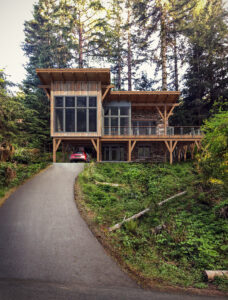
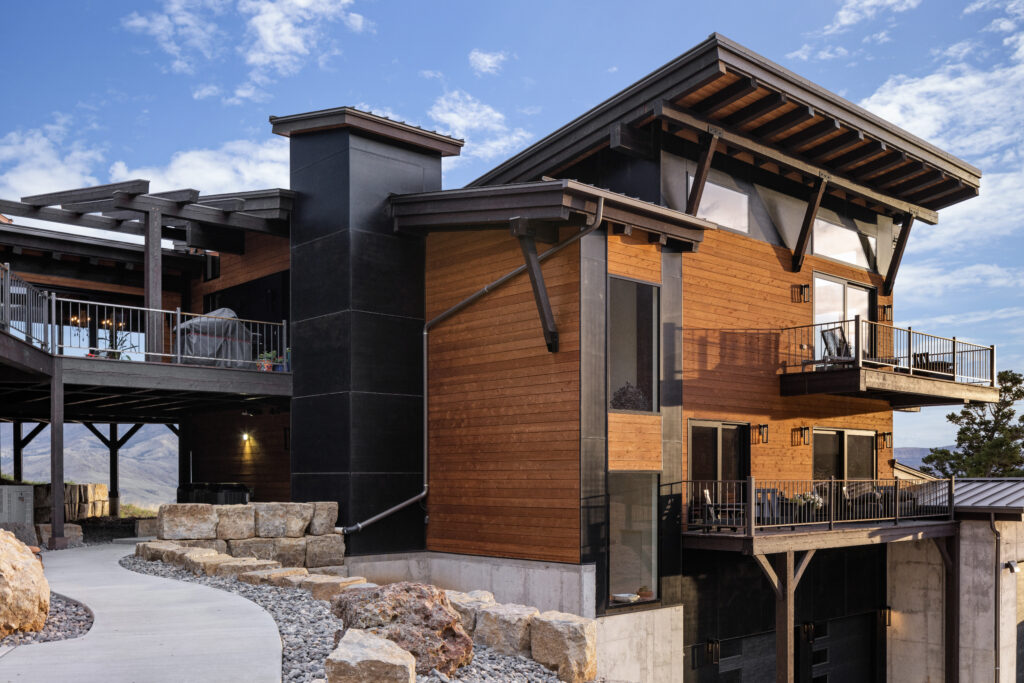
- Building within the natural contours
- Reducing the footprint
- Designing around what already exists
The real insight
The goal isn’t to “fit the house on the land.”
It’s to make it feel like the house was always meant to be there.
That’s a completely different mindset.
The Bigger Picture: Why This Matters
Most people underestimate how different building in Colorado really is.
They assume:
- They can bring a plan from somewhere else
- They can adjust it slightly
- And everything will work out
That’s where projects go wrong.
Because Colorado demands something more:
Respect for the land.
Responsiveness in design.
And restraint in execution.
FAQ
Do I need an architect to build in Colorado?
Yes—especially in mountain regions.
An architect helps navigate land conditions, zoning restrictions, and sustainability requirements that are often complex and site-specific.
Is building in Colorado more expensive than other states?
Often, yes.
Site challenges, material performance, and stricter regulations can increase costs—but they also lead to higher-quality, longer-lasting homes.
Can I use a stock house plan in Colorado?
In most cases, it’s not ideal.
Stock plans rarely account for slope, climate, or local regulations, which can lead to costly redesigns or poor performance.
What makes a home feel “right” in the mountains?
It responds to its environment.
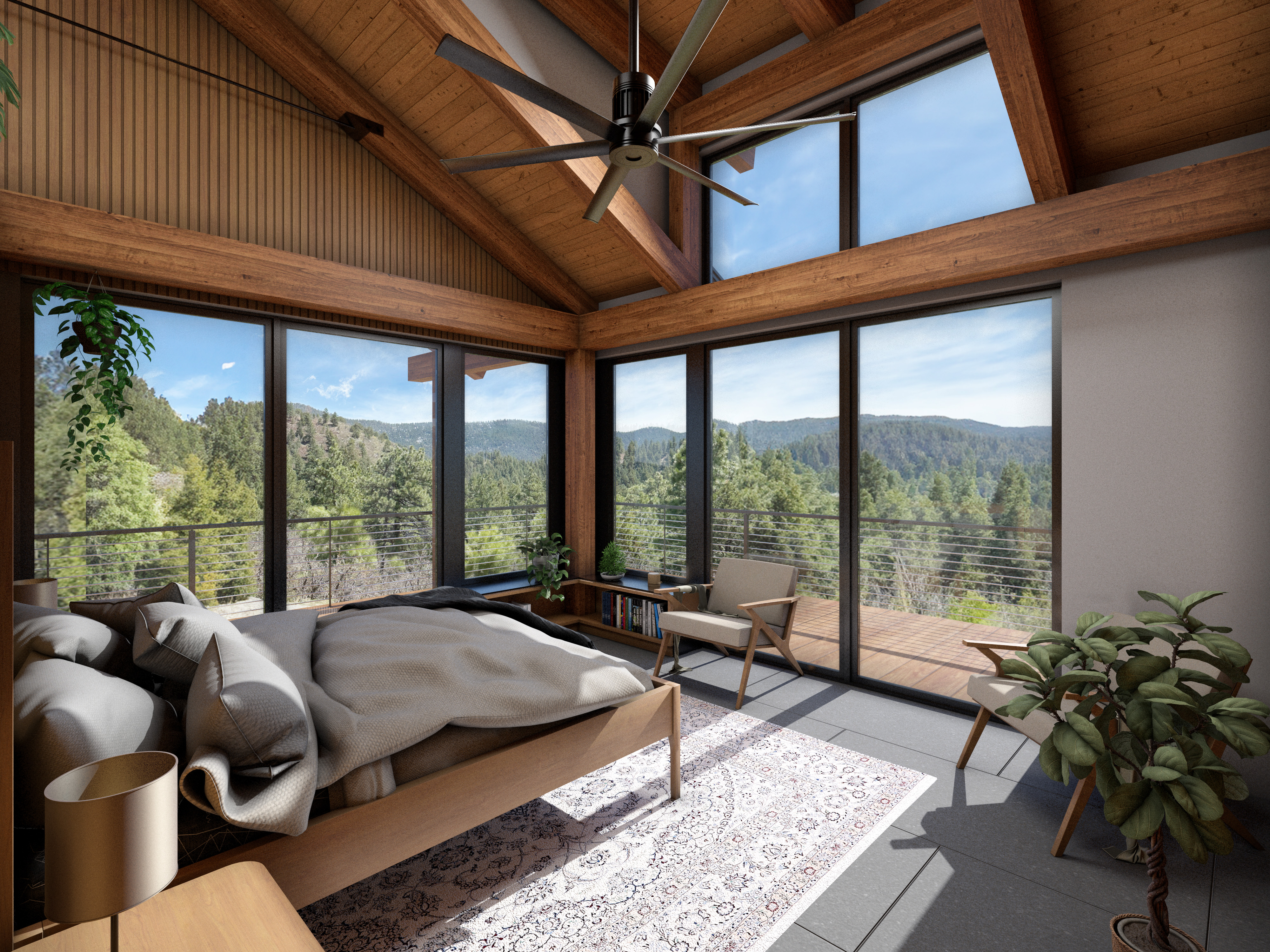
Homes that follow the land, use natural materials, and frame views intentionally tend to feel more grounded and timeless.
Where Tabberson Fits In
At Tabberson, we don’t start with a style.
We start with the land.
Because in places like Colorado, the most successful homes aren’t the ones that stand out the most…
They’re the ones that feel like they’ve always been there.
If you’re thinking about building in Colorado, don’t start with what you want to build.
Start with where you’re building.
Because when architecture works with the land, everything else follows.
And when it doesn’t… you feel it.
Let’s get it right from the beginning.