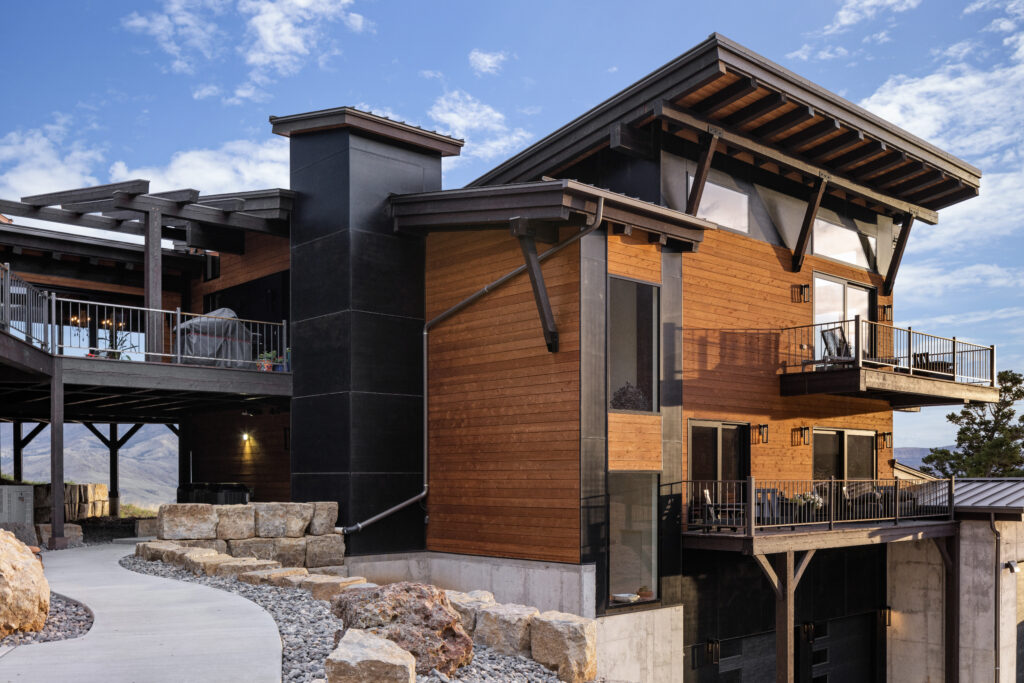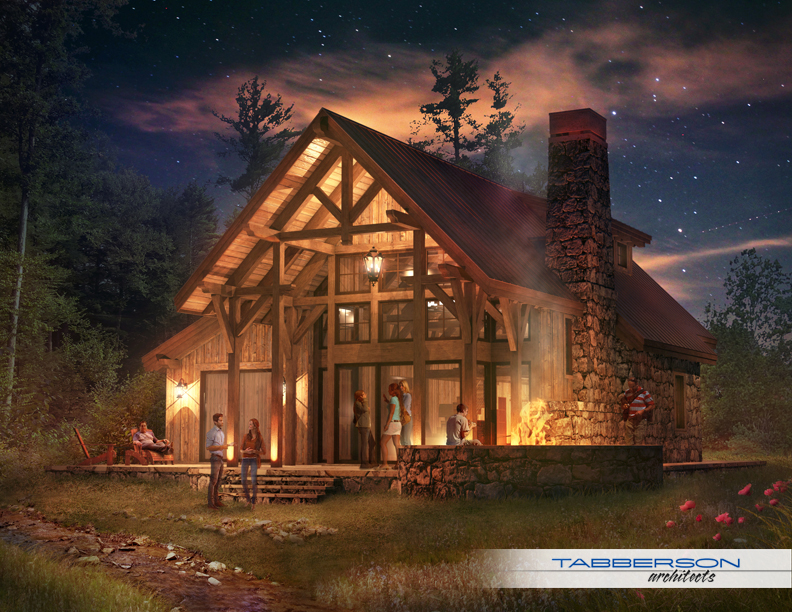
One of the most common questions homeowners ask when comparing options is why a custom home costs so much more than purchasing an existing house. On the surface, it can feel confusing. Two homes may appear similar in size, yet the custom home carries a noticeably higher price tag. The difference lies in how those homes are conceived, designed, and built.
When you look at construction on a macro scale, efficiency comes from repetition. If a home is built ten times, a hundred times, or a million times, builders find ways to do it faster and cheaper. Materials are standardized. Details are simplified. Decisions are reused. This is the essence of mass production, and it is highly effective at reducing cost.
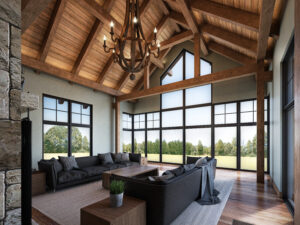
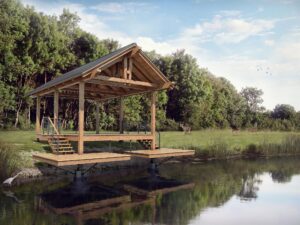
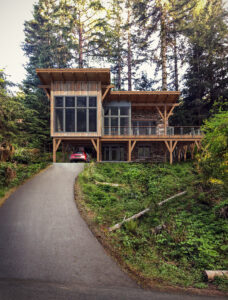
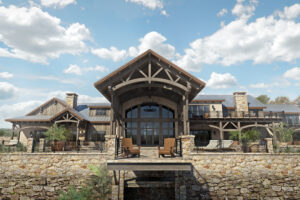
A custom home intentionally moves in the opposite direction. Every decision is reevaluated from the ground up. The layout is designed specifically for the site. Materials are selected based on performance, longevity, and experience rather than bulk purchasing. Structural systems are tailored to the design rather than the other way around. This process removes the efficiencies that mass production relies on.
Because of this, custom homes require more time, more coordination, and more expertise. Architects, engineers, and builders must work together to solve problems that do not already have predefined answers. That effort adds cost, but it also adds value.
The real difference becomes apparent once the home is built. A custom home responds to its environment. It captures light intentionally. It supports the homeowner’s lifestyle rather than forcing the homeowner to adapt to the house. These qualities are difficult to quantify on a spreadsheet, but they are immediately felt in daily life.
While the upfront cost of a custom home is higher, the long-term value often justifies the investment. Custom homes tend to age better, perform better, and remain relevant longer. They are not interchangeable assets. They are purpose-built environments designed to last and to matter!